
Feminine Archetypes Quiz: Which Archetype Are You?
Maiden, Mother, Queen, Huntress, Sage, Mystic or Lover: which one leads in you?
Free · No account
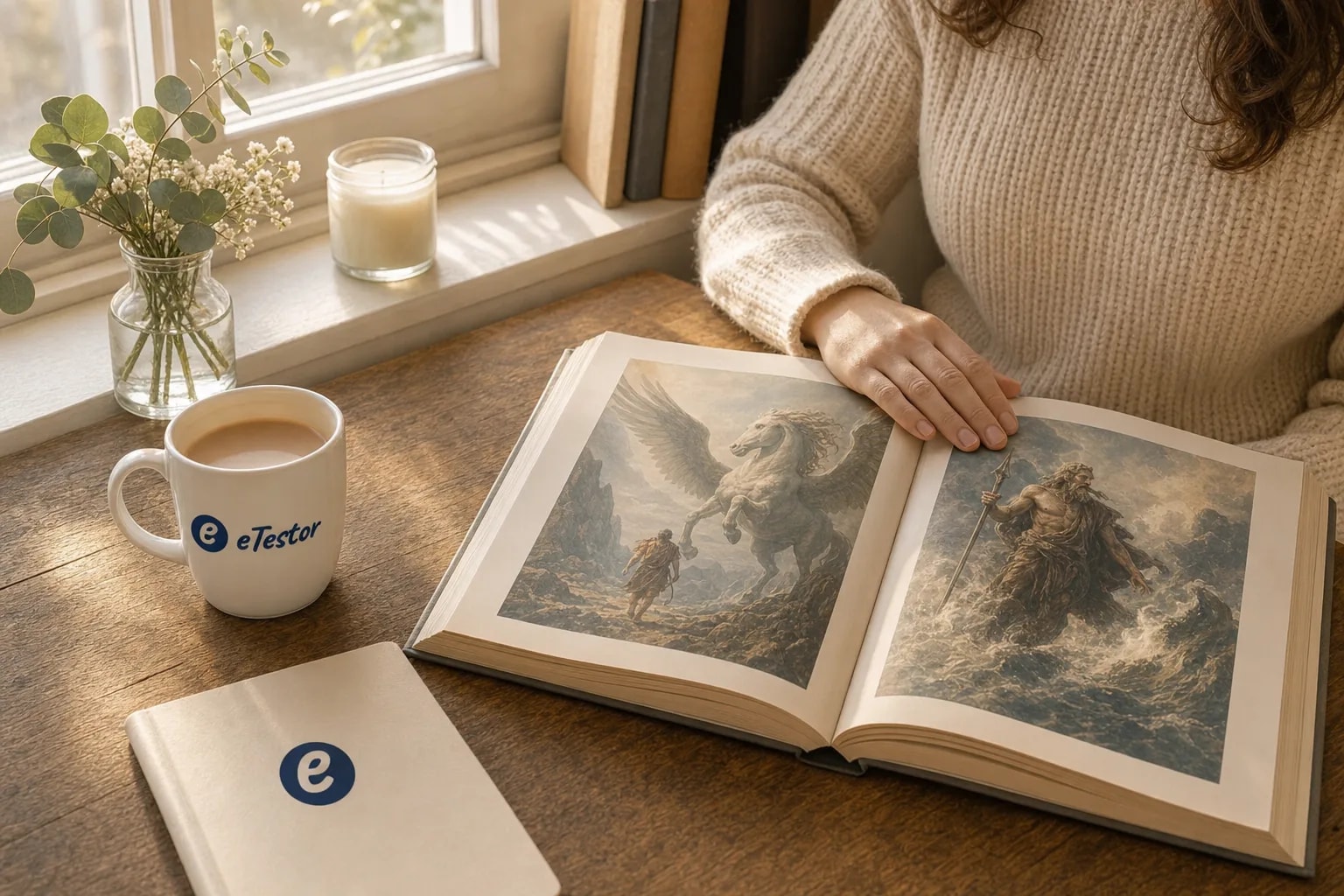
What are the 7 feminine archetypes?
The seven feminine archetypes most quizzes use are the Maiden, the Mother, the Queen, the Huntress, the Sage (also called the Wise Woman), the Mystic and the Lover. They line up with the seven Greek goddesses in Jean Shinoda Bolen's Goddesses in Everywoman (1984): Persephone, Demeter, Hera, Artemis, Athena, Hestia and Aphrodite. This feminine archetypes quiz gives you 49 statements about what you do and want, seven for each archetype, and scores all seven. Your leading archetype is in the full report.
About this test
Seven feminine archetypes turn up again and again in myths and in how women describe themselves: the Maiden, the Mother, the Queen, the Huntress, the Sage, the Mystic and the Lover. Each one is paired here with one of the seven Greek goddesses the psychiatrist and Jungian analyst Jean Shinoda Bolen wrote about in Goddesses in Everywoman (1984), from Persephone and Demeter to Artemis and Aphrodite. This quiz gives you 49 statements about what you do and want, seven for each archetype, and scores all seven. Your leading archetype is the one you score highest on, with all seven scores in the full report. It draws on popular Jungian writing, not validated psychology, so read it as a mirror, not a measurement.
What you'll discover
Maiden
Open, adaptable and drawn to new beginnings (Persephone).
Mother
Nurtures, feeds and helps others grow (Demeter).
Queen
Commits, stays loyal and takes responsibility (Hera).
Huntress
Independent, focused and ready to fight for a cause (Artemis).
Sage
Clear-headed, strategic and practical (Athena).
Mystic
Turned inward; finds meaning in quiet, solitude and ritual (Hestia).
Lover
Passionate, sensual and creative (Aphrodite).
Understanding the Feminine Archetypes Quiz
Each archetype gets seven statements, and two of the seven are worded the other way round, so agreeing with everything doesn't decide your result. Many people score high on two or three archetypes at once, and the pair often says more than the winner. A Mother who is also a Huntress looks after people by fighting for them; a Mother who is also a Mystic looks after them by keeping a calm home they can come back to. The full report scores all seven, so you can see whether one archetype clearly leads or several run close.
The goddesses come from Jean Shinoda Bolen, a psychiatrist and Jungian analyst who taught psychiatry at the University of California, San Francisco. In Goddesses in Everywoman she used the Greek goddesses to describe patterns she saw in women's lives, and sorted them into three groups. The virgin goddesses, Artemis, Athena and Hestia, stand for the parts of a woman that are complete in themselves: the Huntress, the Sage and the Mystic. The vulnerable goddesses, Hera, Demeter and Persephone, are defined by a relationship, as wife, mother and daughter: the Queen, the Mother and the Maiden. Aphrodite, the Lover, has a group of her own, which Bolen called the alchemical goddess. We use the plain names most feminine archetype tests use and pair each one with its goddess.
We should be plain about what this is. Bolen's book is Jungian-inspired popular writing, not a research model, and we know of no peer-reviewed study that has tested these seven archetypes as a measure of personality. The statements are our own, written to capture each archetype in everyday terms. Read your result as a mirror for your patterns, not a measurement. The archetypes describe motives that anyone can recognize, so men and non-binary people can take the quiz too. If you want the twelve archetypes from Carl Jung's tradition that brands and storytellers use, take our Archetype Test.
Where the Feminine Archetypes Quiz comes from
The seven archetypes follow the seven Greek goddesses in Goddesses in Everywoman (1984) by Jean Shinoda Bolen, a psychiatrist and Jungian analyst who taught psychiatry at the University of California, San Francisco. Bolen sorted them into three groups: the virgin goddesses Artemis, Athena and Hestia; the vulnerable goddesses Hera, Demeter and Persephone; and Aphrodite, the alchemical goddess. We use the plain names most feminine archetype quizzes use: Huntress (Artemis), Sage (Athena), Mystic (Hestia), Queen (Hera), Mother (Demeter), Maiden (Persephone) and Lover (Aphrodite).
How the Feminine Archetypes Quiz is scored
Seven scores, one per archetype, each the sum of seven statements (7 to 35), two of them worded the other way round. Your leading archetype is the highest of the seven. The statements are eTestor's own; the framework is Jungian-inspired popular writing, and we know of no peer-reviewed study validating these seven archetypes as a personality measure. Read the result as a prompt for reflection.
For entertainment — no research basis
Questions people ask
Is the feminine archetypes quiz free?
Taking the quiz is free, with no account needed: just your email at the end. Your leading archetype is part of the paid report. Every score, the written analysis and the certificate are in the full report: $1.99 (EU: $2.41 incl. VAT) in the first 30 minutes after you finish, $3.99 (EU: $4.83 incl. VAT) after that, or included in eTestor Unlimited.
Are there 7 or 12 female archetypes?
It depends on the book behind the list. The seven here follow the seven goddesses in Jean Shinoda Bolen's Goddesses in Everywoman. Quizzes with twelve archetypes usually use Margaret Mark and Carol S. Pearson's twelve from The Hero and the Outlaw (2001), such as the Hero, the Rebel and the Caregiver, which were written for everyone rather than for women. Our Archetype Test scores those twelve.
What is the difference between the Maiden and the Lover?
The Maiden is about openness: keeping options open, adapting to other people and being drawn to new beginnings. The Lover is about intensity: beauty, the senses and falling completely for a person or a project. Picture an unplanned weekend in a new city. The Maiden happily goes wherever her friends want to go; the Lover finds the one restaurant or gallery she'll talk about for a year.
Can my feminine archetype change?
It can. The quiz scores all seven because few people fit one pattern only, and the balance between them can shift as your life does. Years spent caring for small children or an ageing parent can bring the Mother forward; a new job or a move abroad can wake up the Huntress. If you retake the quiz after a big change, a different archetype may come out on top.
Is this a scientific test?
No. The seven archetypes come from a popular book that draws on Carl Jung's ideas, not from personality research, so the quiz has no norms and no validity data behind it. If you want a research-based picture of your personality, take the Big Five test. Read this one as a way to think about your patterns.
More Personality tests
Enneagram Tritype Test
54 questions score all nine Enneagram types, so you can read your tritype: your strongest type in the gut, heart and head centers.

Big Five Personality Test
The gold standard of personality science. 50 questions, 5 dimensions.

16 Personality Types
The world's most popular personality test. Discover your 4-letter type.

Enneagram Type Test
Which of the 9 Enneagram types are you? Discover your core fears, desires, and growth path.

Dark Triad Personality Test
Measure your levels of Narcissism, Machiavellianism, and Psychopathy. 45 scenarios.

Narcissism Spectrum Test
Grandiosity, entitlement, rivalry — 45 statements show where you sit on the narcissism spectrum.